


Trinity Center is Austin's downtown resource center for people experiencing homelessness, helping unhoused neighbors build the trust, stability, and resources they need to move toward jobs and housing.
Staff and volunteers help visitors obtain clean clothes, vital ID documents, and free health insurance, while Trinity's Cooling Center offers relief from intense summer heat, providing air conditioning, showers, dinner, and supportive services each weekday until 7 p.m.
Trinity's Cooling Center, which served more than 28,000 meals and recorded more than 7,000 visits, was funded by the City of Austin in 2024 and by donors in 2025, and needs donor support for 2026. Extended hours begin June 29.
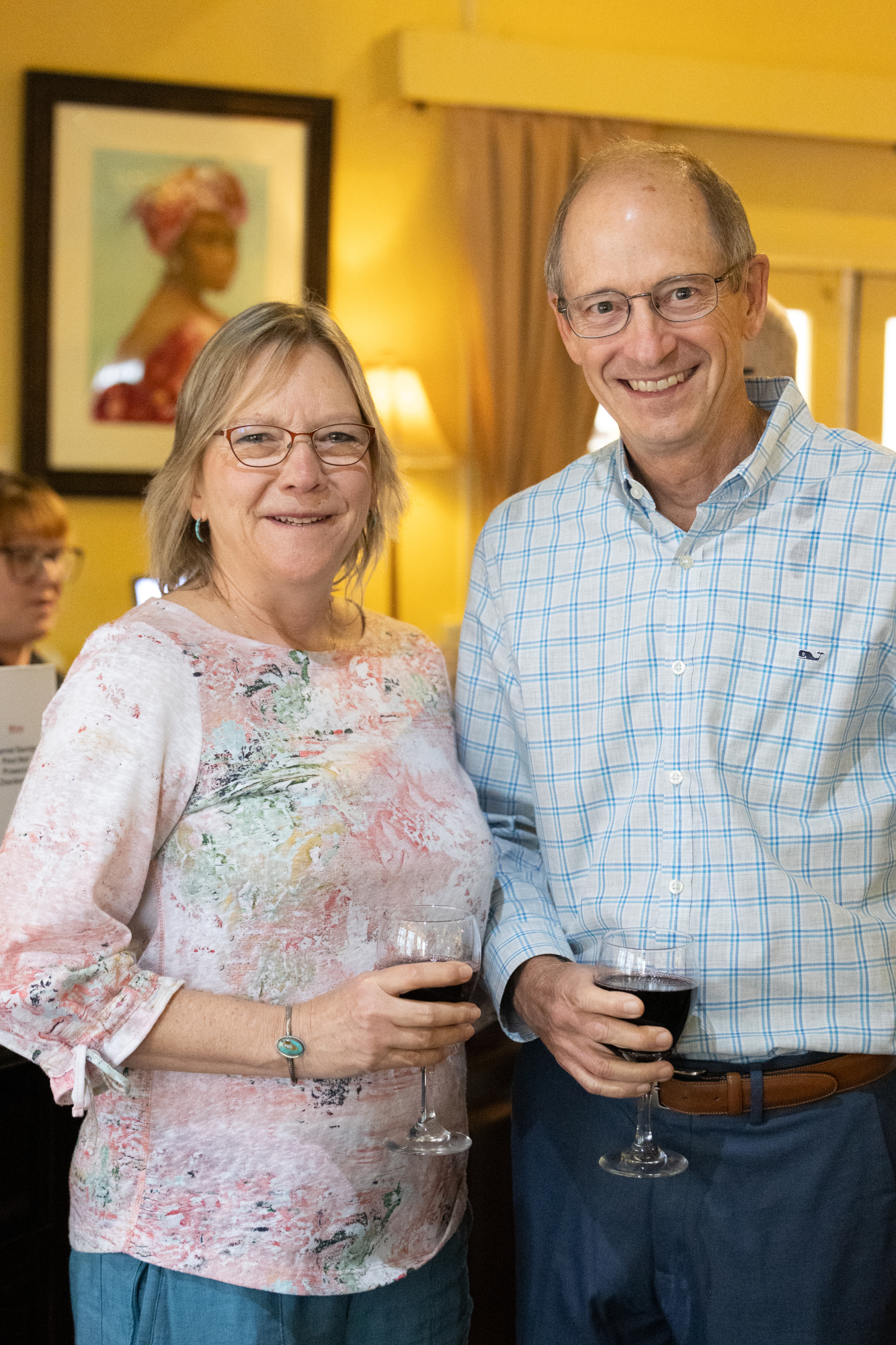
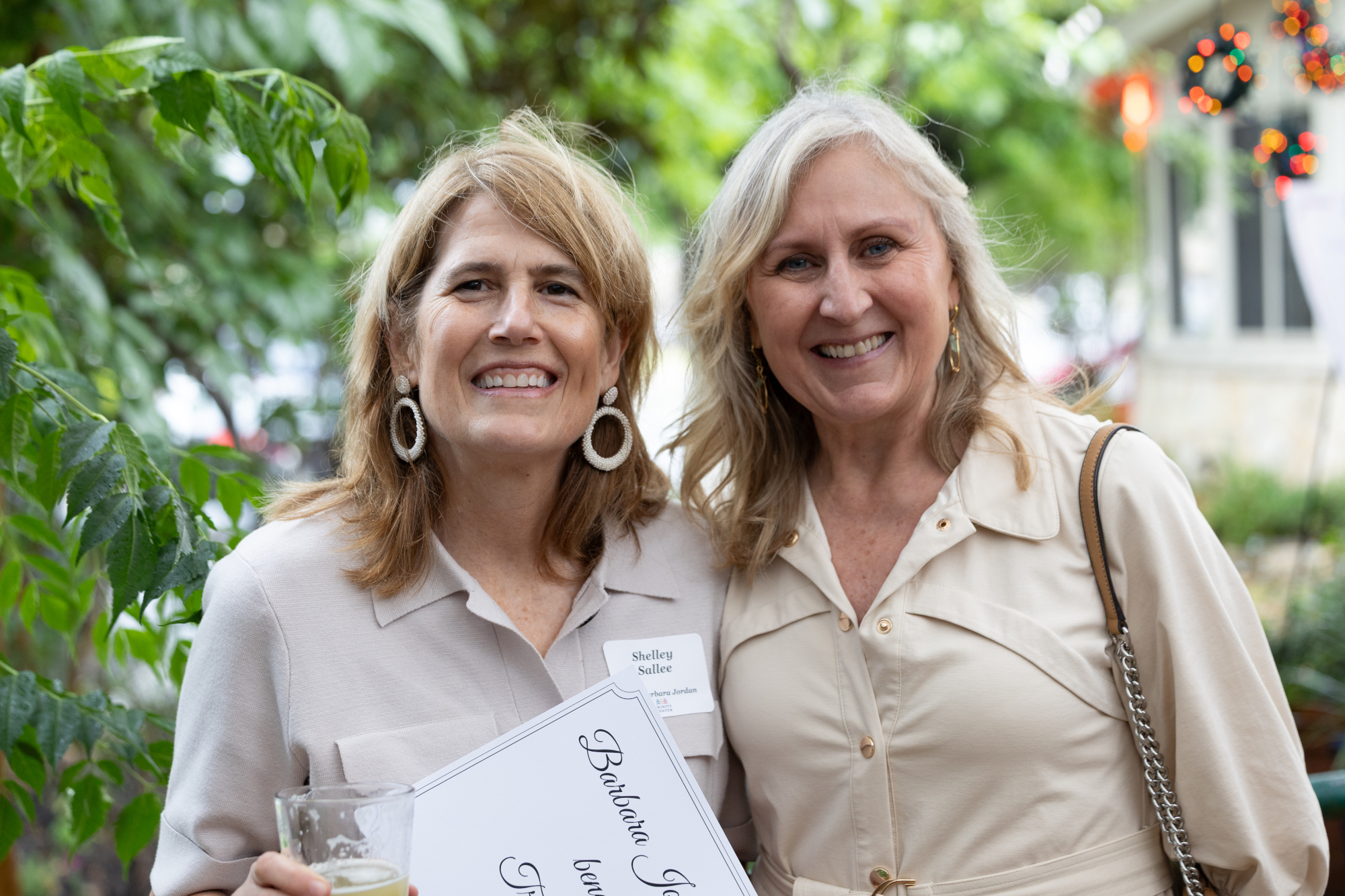
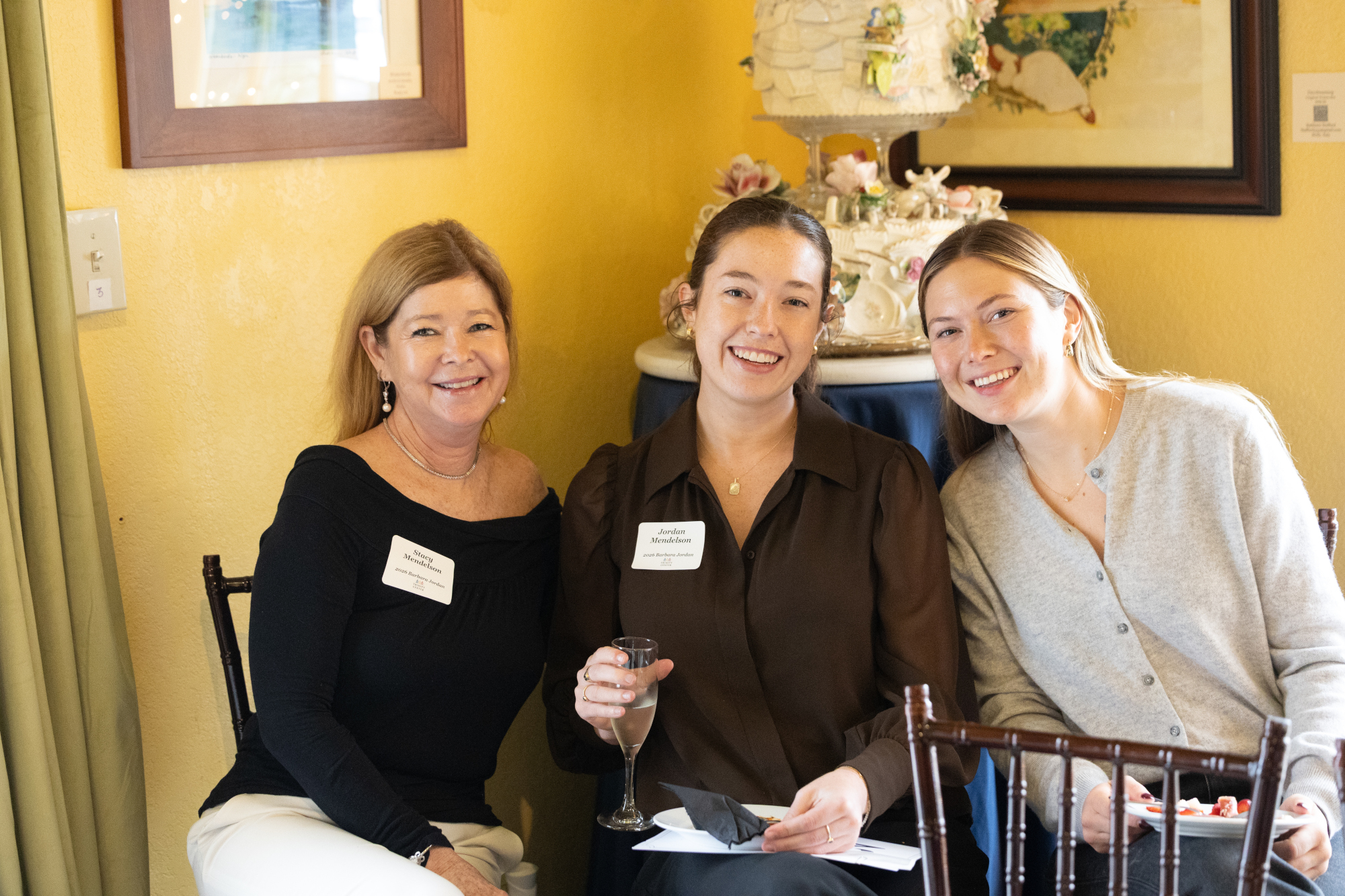
Trinity Center recently held its annual fundraiser, The Barbara Jordan Event, at Chez Zee Restaurant. Despite a heavy rainstorm, the venue's event room was packed with longtime supporters and new faces who gathered to learn about Trinity Center, honor volunteers, and raise funds for its work.
St. David's Episcopal Church, The Episcopal Church of the Good Shepherd, Westminster Presbyterian Church, Tarrytown United Methodist Church, St. Michael's Episcopal Church, St. James' Episcopal Church, St. Stephen's Episcopal School, Trinity Episcopal School, and Episcopal Veterans Fellowship of Texas founder Rev. Dr. David W. Peters were honored for their regular volunteer work on Sunday afternoons at Trinity Center.
After enjoying Chez Zee's signature cuisine and wine, guests heard from David Gray, Director of the City of Austin's Homeless Strategies Office. Gray explained how Trinity Center helps people help themselves by building trust that encourages unhoused people to engage with public services.
"You can build the best programs in the world, but if people don't trust the system, they won't engage with it," he said. "That's why places like Trinity Center are so critical. They are often the first step in a much longer journey. The place where relationships begin. The place where someone says, maybe for the first time in a long time, 'Okay… I'll try.'"
Gray spoke from experience. As a teenager, he and his family moved from New Orleans to Austin after Hurricane Katrina. "What I remember are the places—and the people—who met us with dignity," he told the audience. "Places that saw us not as a problem to solve, but as people to care for. That's what Trinity Center represents."
Gray described Trinity Center as the "bridge between the street and stability," saying that by meeting people with grace rather than judgment, Trinity helps them take steps toward jobs and housing. "When someone is experiencing homelessness, the biggest barrier is often not just housing. It's trust," he said.
Guests also heard from Doug Bell, one of Trinity Center's founders, who recounted how volunteers turned the basement of St. David's Episcopal Church into a resource center, and how former Texas Secretary of State Geoffrey Connor helped secure a founding grant from the estate of the late Congresswoman Barbara Jordan. In her honor, the annual fundraiser is called The Barbara Jordan Event.
Trinity Center board member Andi Brauer updated the audience on Trinity's strategic plan and recent accomplishments. A video shared stories of people hiding from the sun—even inside a dumpster—before finding their way to Trinity Center, where cool showers and clean clothes were especially appreciated.
Guests learned how many parts of the Austin community churches, schools, the Downtown Austin Alliance, National Charity League, Central Health, Sunrise Navigation Center, and others, use Trinity Center as a hub to offer vital services to those who need them most.
To learn more, email trinitycenterboard@gmail.com or visit trinitycenteraustin.org.