


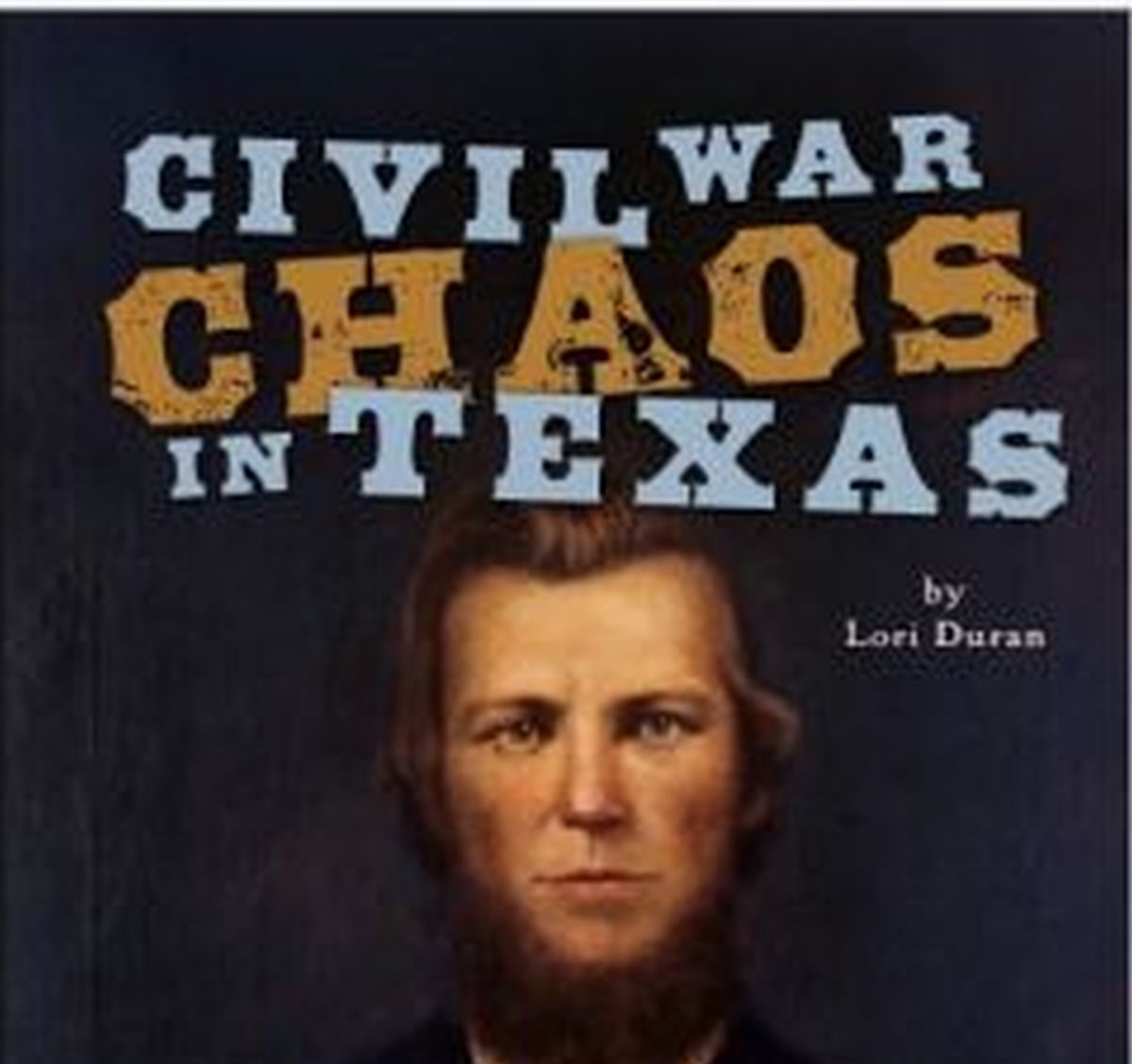
Civil War Chaos in Texas. The Tumultuous Tenure of Governor Pendleton Murrah
by Lori Duran
Have you ever wondered what life was like in Texas during the Civil War? Lori Duran has written a book, “Civil War Chaos in Texas,” that describes life in our town and all of the state during that era. The central figure in the book is Pendleton Murrah, the Texas Governor from November 1863 through the middle of 1865, when the war was over.
Murrah was a complicated and brave man – born into questionable circumstances, he traveled to Providence, Rhode Island, earned a degree from Brown University, and then returned to Texas to practice law. After becoming involved in politics, he was eventually elected governor. Tubercular most of his life, he still found the energy to manage the massive task of keeping the state together. That was no easy job, with the inevitability of the Confederate defeat bearing down and the constant demands of the South’s generals for resources, while they conscripted more men for their cause. Then there was the matter of having to pay for things with almost worthless Confederate currency.
One theme that runs throughout the book is the conflict between prominent figures who realized secession was doomed to fail and those who supported leaving the Union. Many important Texans opposed secession – including Sam Houston himself. In the words of successful San Antonio businessman Charles Anderson, secession was a “colossal blunder and crime.” He later had to sell off his assets at a loss when a Confederate posse imprisoned him. Outspoken pro-Unionist politician A.J. Hamilton had to pack up his family and flee to Mexico. Hamilton later returned to Brownsville at the end of 1863 to establish a Union administration – an office that was abandoned a few months later. Two years after that, he returned as the Reconstruction Governor of the state.
Life in Austin during the Civil War was difficult, and this book offers some remarkable insights. British writer Amelia Barr lived here at the time and recorded details of daily existence. For instance, shoes were so scarce that many people went barefoot, and moccasins were often worn outside the house. The few stores that were open were poorly stocked. There was no coffee to be had, and people used “parched rye, okra, or acorns in place of coffee beans.” As for life around town, she noted in June 1865 that men just loafed in the streets and made camps in the corn fields. The prevailing atmosphere at that point was impatience for the Union military to arrive and end the miserable state of affairs.
In places like Fredericksburg, factions on opposing sides of the conflict often clashed. The militia tasked with maintaining law and order was overwhelmed. Then there was the problem of guarding against Indian attacks from Comanches and Kiowas, plus army renegades.
As for Murrah, on June 11, 1865, he fled to Mexico with some other notable figures, and that same day, bandits broke into the Texas Treasury and robbed it, which remains “one of the state’s greatest mysteries,” in the author’s words. Chaos reigned during this tumultuous time, and Duran describes it all with flair.
Duran did a masterful, painstaking job of research for this book – it is full of details that bring the story home. It’s an engrossing read, and I recommend it for anyone who enjoys insight into the origins of our state and the Capital City.