

Wallering Around in Austin’s History
By Martha Ann Hartzog
Festivals of Yore Series
“Wholly Fanciful and Totally Whimsical”
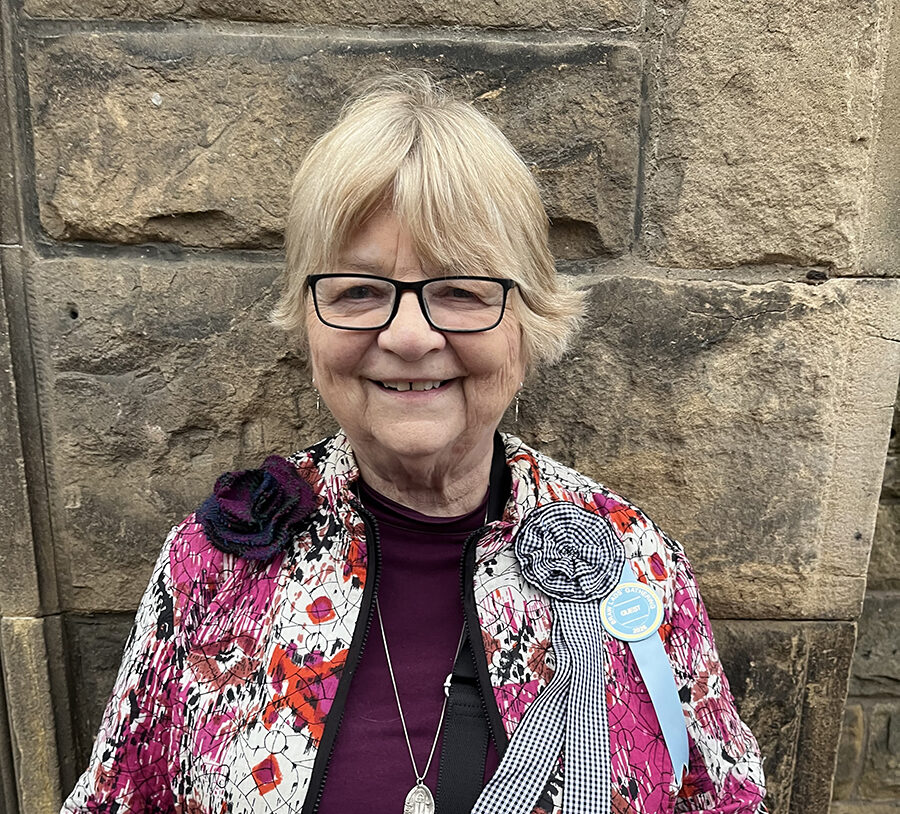
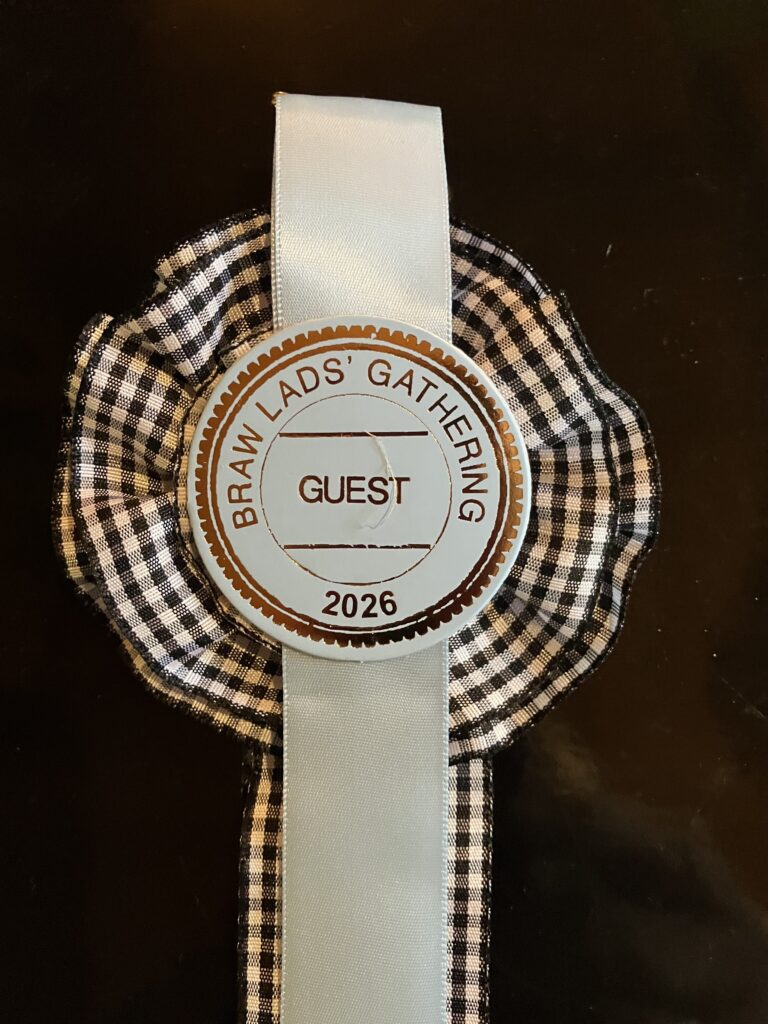
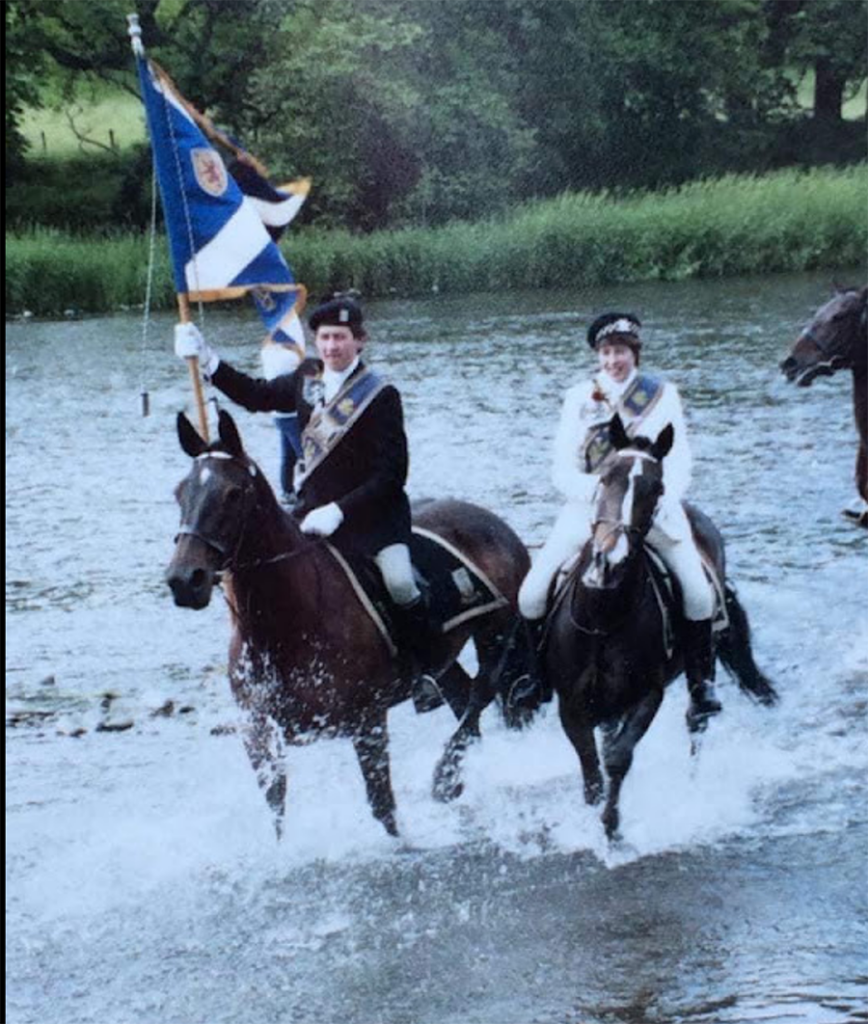
Your humble author has just returned from a month-long trip to Scotland, which included attending “The Braw Lads and Lassies” Common Riding in Galashiels, the largest town in the Scottish Borders region. Since 1513, following the disastrous at the hands of the English at “the Battle of Flodden,” many Scottish Border towns established the tradition of the young men of the town riding the borders or precincts of their villages to make sure there were no intruders. Five hundred years later, in 2026, the result is a series of charming festivals featuring crowned kings and queens, parades of horses, receptions, and much other celebration. Your author attended the Galashiels “Braw Lads and Lassies” Riding, and thus the idea for this column was born— A “Brave Lads” Common Riding for Austin, taking place in 1841, the route including some of the prominent landmarks of the day. Please bear with me in this “wholly fanciful and totally whimsical” rendering of a “Festival of Yore” that never was!
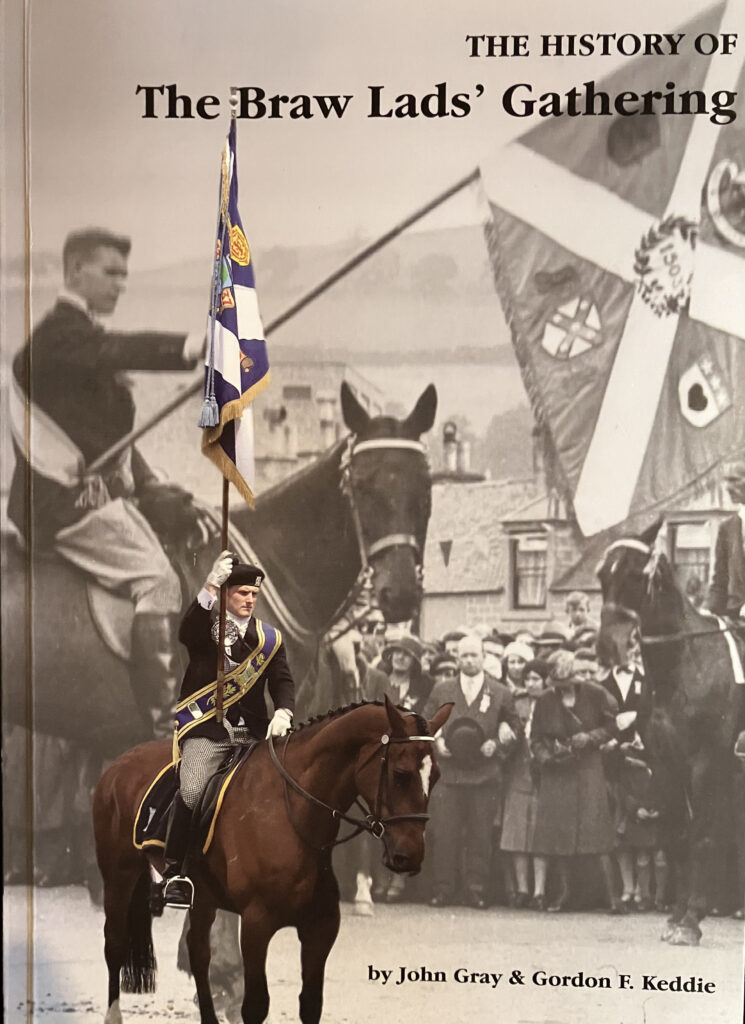
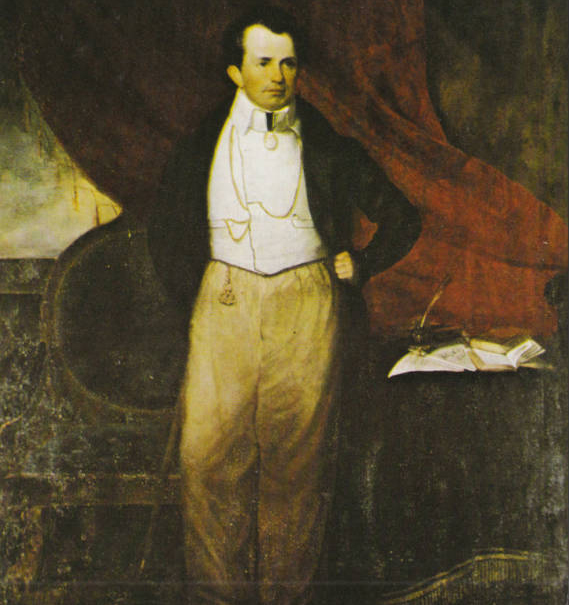
“A Cavalcade of Worthies” — “That’s what it will be,” boomed President of the Republic Mirabeau B. Lamar, describing his vision for the very first “Brave Lads Riding” festival to be held in Austin. “They’ve been doing it in the Borders of Scotland since the disastrous Battle of Flodden in 1513,” he went on, gesturing expansively. “It’s a way to ride the boundaries to protect their lands and prevent encroachment.”
It was early 1841, in Lamar’s office. The President was expanding on his vision for a “Common Riding” to secure the boundaries of Austin, the Capital of the Republic of Texas.
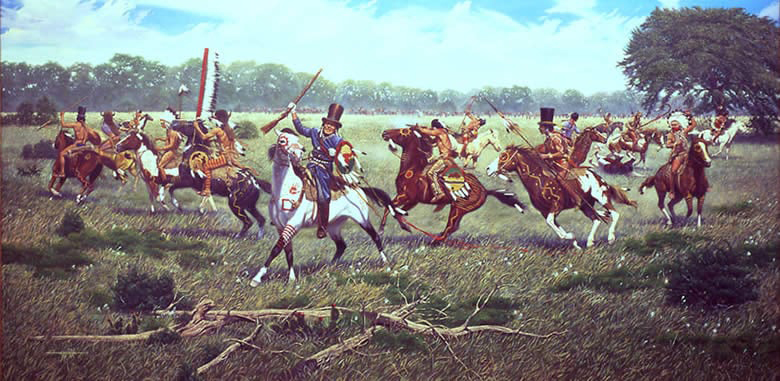
“Just last year we experienced the Skirmish at Plum Creek,” Lamar explained, examining a map of Austin and environs spread out on his desk. “Those plundering Comanches went all the way down to the port of Linnville on the Texas coast. Our brave Texas Ranger boys rallied and stopped their return outside Lockhart.”
“We must remain vigilant against encroachment,” Lamar cried. “To add fuel to the fire, the government in Mexico City, again led by the crafty Santa Anna, plunderer of The Alamo, is threatening to send yet another army to retake Texas.”
The date for the “Brave Lads Riding” was set for early June before the summer heat set in. (Of course, this never really happened. But if it had, it surely might have been like this.) Two “posses” of “Brave Riders” assembled at the Capitol block at the head of Congress Avenue. The ladies of the town had set up long refectory tables laden with refreshments. A cup of brandied milk punch and a plate of corncakes were presented to each rider for sustenance. A brass band from the German School struck up, intending to accompany the procession as far as feasible. Flower garlands were placed around the necks of the riders and their proud mounts by the youngest and most comely of the town’s giggling girls.
As planned, the stalwarts were to ride a bit beyond the original borders of Austin that Edwin Waller had laid out in 1836, only five years previously. Austin had not sufficiently spread out to fill in the city blocks that had been envisioned, but it was growing. Brandishing their arms to the music of pistol fire and the drums of the brass band, the “Calvacade of Worthies” (and some not so worthy, it must be confessed) set out in the early morning from “Capitol Square.”
At the head of the parade, predictably, was President Lamar, his long dark hair gleaming, a rakish plume of white waterfowl feathers sprouting from his broad-brimmed hat. Close behind, jockeying for a lead position, was former President Sam Houston, wearing an equally ambitious hat and his famous leopard skin vest. Other worthies included Land Commissioner Thomas William “Peg Leg” Ward, who had to be strapped onto his horse because of his missing leg. Richard Bullock, owner of the Bullock House, Austin’s first hotel, competed with Angelina Eberly, proprietor of the Eberly Inn, who insisted on riding with the men, at least partway. Those feisty Texas women would not be left behind! With whoops and yells and a cheering crowd throwing hats in the air and twirling parasols, they set out, just as the sun was peeking over the eastern horizon.

The riders headed north on Congress Avenue past North Avenue (now 15th Street) to wild, open territory. There they paused and divided into two groups. With hearty “halloes,” one group headed east, the other west. After reaching certain landmarks, both parties planned to turn south. All in all, it would be a day’s ride.
Encountering neither serious obstacles nor dangerous intruders, the eastern riders forded Waller Creek, ascended the gentle rise of land and entered the edge of the fertile, softly rolling plains that would prove such abundant crop land. Reaching Decker Creek with no impediments, they watered their horses and turned smartly south, keeping the volcanic remnants of distant Pilot Knob firmly in their sights. Their destination was Edward Burleson’s place. Colonel Burleson had helped defeat the Comanches at Plum Creek the year before and had just been elected Vice President of the Republic of Texas. He would be ready with more refreshments for the weary “Guardians of the Gates.”
President Lamar led the western-headed Mount Bonnell party. When on that bright morning they arrived at the imposing site where rose the Balcones Fault, Lamar insisted on riding to the top of the mountain in order to gain perspective. The Comanches famously were known to watch Austin from the hills above. Brandishing a spy glass, Lamar wished to get the jump on any lurking spies.
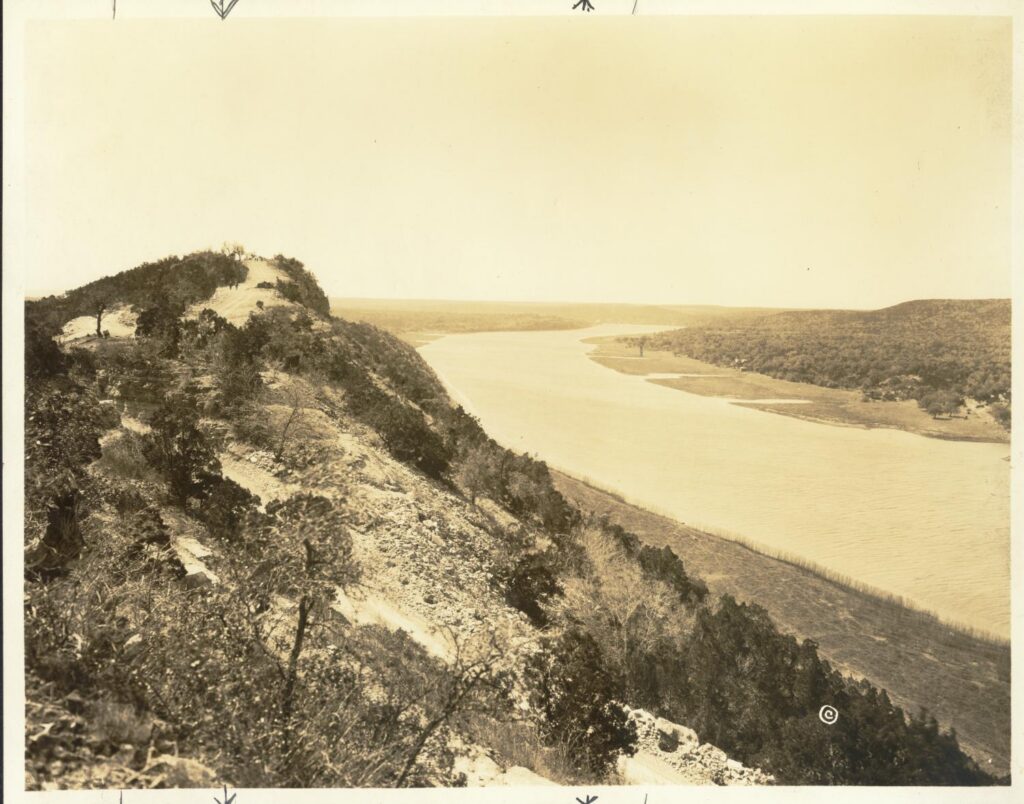
“All clear, boys,” Lamar cried, as he practically tumbled back down the hill. He was now joined by George W. Bonnell, owner of the mountain, publisher of the newspaper, the Texas Sentinel, and yet another hero of the Republic of Texas.
Around noon, the eastern riders turned north from Burleson’s place heading toward the Colorado River. They forded the mighty stream at the nearest low water crossing. Later, herds of cattle would cross the Colorado at such places, heading toward markets far above Texas.
Skirting below the Balcones Fault, the western party headed south over the rolling terrain. It was hard going. When they finally forded the Colorado at Shoal Creek and reached the cool waters of Billy Barton’s Springs, they were more than ready for rest and refreshment. Alas, Barton had died the year before, but many of his six children were there to welcome the “Brave Lads” of Austin, with more than just cool water, it can be supposed, and perhaps some venison jerky.
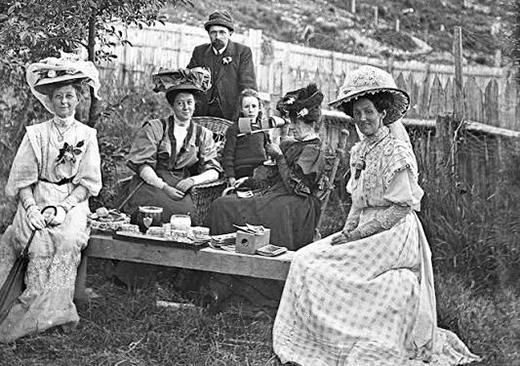
Just as the sun began to sink over the west in a bright red glow, both groups converged at the foot of Congress Avenue, to ride triumphantly up the wide boulevard to assemble on the Capitol grounds.
President Lamar took the lead, crying to the citizens lining the street, “The borders of Austin are secure.” The redoubtable band was greeted by an even larger cheering crowd and more trestle tables full of foodstuffs (and drink!). The plumes in their hats were still gallantly waving. Their faces were red. These men were not in the first flush of youth, it must be recalled. But Austin’s First (and doubtless last) Common Riding of the Brave Lads was successful!
Postscript: Later in the month, June 19th, President Lamar would bid farewell to Texans embarking on the disastrous Santa Fe Expedition. Was the “Brave Lads Riding” a small-scale precursor? Did Lamar use the Riding as an opportunity to lobby for the Expedition? We’ll never know, because the “Brave Lads Riding” of The Capital of Texas is Wholly Fanciful and Totally Whimsical. Hurrah for Scotland! Hurrah for Texas!
Sources:
https://www.thebrawladsgathering.co.uk/
Martha explains her column's title:
Here's why I am calling my column “Wallering Around in Austin’s History.” Partly, it’s a tribute to Edwin Waller, the man who led the planning of Austin, and partly it’s a joke on me. All I ever seem to do is “waller” around in history, not just Austin history, but about all history. “Waller” is how we in Texas pronounce “wallow.” Like in “hog waller.” When you consult the dictionary, you see that “wallow” is a verb meaning to roll about or lie in; to luxuriate or revel in; to flounder about; to billow forth. That’s all I seem to do these days in the always-absorbing realm of what went before.